Il concetto di smart home non riguarda soltanto tecnologia, ma un modo più semplice e funzionale di vivere la casa nella sua totalità. Comfort, risparmio energetico, organizzazione degli spazi e sostenibilità oggi passano anche attraverso piccoli miglioramenti quotidiani, spesso accessibili senza interventi complessi.
Una casa più vivibile non dipende solo dai metri quadri, ma da come luce, arredi, dispositivi smart e spazi outdoor riescono ad adattarsi alle esigenze reali di chi la abita. In tal senso, una smart home ben progettata non include tecnologie fini a se stesse, ma studiate per rispondere a bisogni reali.
Che cosa significa smart home oggi
Quando si parla di smart home si intende generalmente una casa in cui una serie di dispositivi connessi tra loro aiutano a gestire temperatura, illuminazione, sicurezza ed energia in modo più pratico ed efficiente. La tecnologia, però, non è il fine, ma serve soltanto quando migliora concretamente il comfort abitativo.
Domitica e dispositivi smart:differenze pratiche
La smart home si distingue anche dalla domotica tradizionale, che prevede sistemi integrati progettati insieme agli impianti della casa. I dispositivi smart, invece, sono più modulari e possono essere installati gradualmente: termostati, luci intelligenti, prese smart o videocitofoni permettono di iniziare anche con piccoli interventi.
Per questo oggi una casa connessa può nascere da esigenze semplici e venire realizzata anche con budget contenuti, evitando acquisti impulsivi o gadget poco utili.
Da dove partire per rendere la casa più intelligente
Per rendere una casa più smart conviene partire da bisogni concreti: comfort, sicurezza, gestione dei consumi
o organizzazione degli spazi. Una smart home efficace non nasce dall’accumulo di dispositivi, ma dalla capacità di semplificare la vita quotidiana.
Prima di acquistare un dispositivo smart può essere utile chiedersi:
- quale problema deve risolvere;
- quanto spesso verrà utilizzato;
- se è compatibile con gli impianti esistenti;
- se aiuta davvero a migliorare comfort o consumi.
Comfort: termostati, luci e routine quotidiane
Termostati smart, valvole intelligenti e luci connesse sono spesso il primo passo verso una casa più efficiente. Consentono di regolare temperatura e illuminazione in modo più flessibile, adattando la casa alle abitudini quotidiane. Secondo ENEA (Agenzia nazionale per le nuove tecnologie, l'energia e lo sviluppo economico sostenibile), ridurre di un grado la temperatura e accendere il riscaldamento un’ora in meno può portare a un risparmio energetico fino al 15%, anche se il risultato dipende dalle caratteristiche dell’immobile e dalle abitudini di utilizzo. Le routine automatizzate possono inoltre migliorare il comfort: luci più soffuse la sera, spegnimento automatico dei dispositivi inutilizzati o gestione della temperatura stanza per stanza aiutano a rendere gli ambienti più vivibili.
Sicurezza: videocitofoni, sensori e allarmi smart
La sicurezza è uno degli ambiti in cui la smart home trova applicazioni più immediate. Sensori per porte e finestre, videocitofoni connessi e sistemi di allarme smart permettono dimonitorare la casa anche a distanza. Questi strumenti non eliminano completamente i rischi, ma possono aumentare controllo e tempestività nelle segnalazioni. È importante, però, prestare attenzione alla qualità dei dispositivi, alla protezione dei dati e alla corretta configurazione della rete domestica.
Energia: consumi, monitoraggio e automazioni
Monitorare i consumi è spesso il primo passo per ridurre sprechi e inefficienze. Prese intelligenti, sensori e automazioni aiutano a capire quali dispositivi consumano di più e a gestire meglio l’energia domestica. La sostenibilità, però, non dipende solo dalla tecnologia. Una casa davvero efficiente richiede manutenzione, attenzione ai comportamenti quotidiani e scelte coerenti con le caratteristiche dell’immobile.
Spazi piccoli e casa multifunzione
La smart home è particolarmente utile nelle abitazioni compatte, dove ogni metro quadro deve svolgere più funzioni. In questi contesti, tecnologia e organizzazione degli spazi possono lavorare insieme per migliorare vivibilità e ordine. Arredi trasformabili, contenitori integrati, illuminazione intelligente e automazioni semplici aiutano a rendere gli ambienti più flessibili. Anche uno spazio ridotto può diventare zona lavoro, area relax o ambiente conviviale se progettato con attenzione.
Terrazzi, balconi e verde domestico
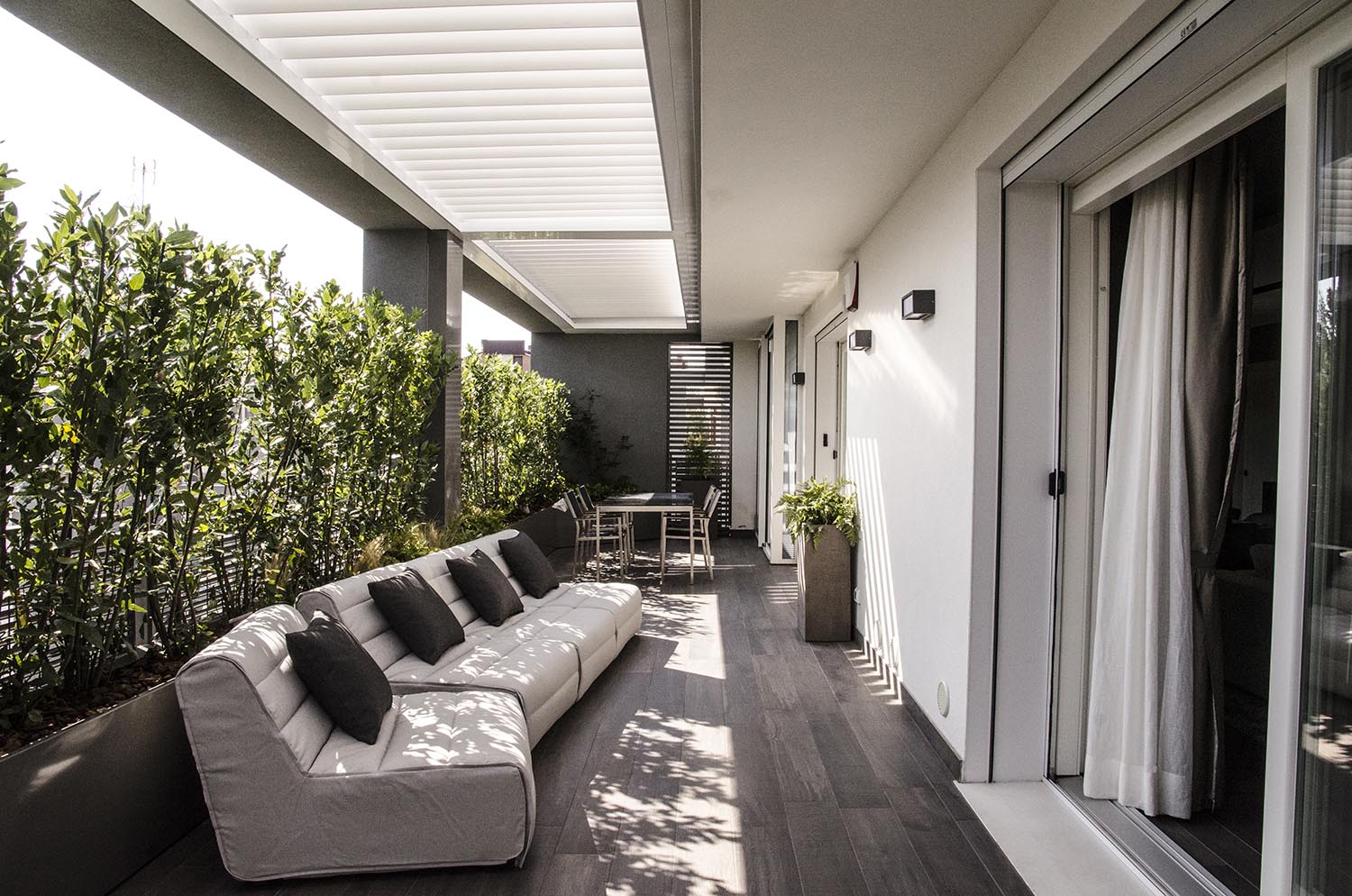
Terrazzi e balconi sono sempre più considerati un’estensione della casa. Anche piccoli spazi outdoor possono diventare aree dedicate al relax, al lavoro o alla convivialità grazie a interventi semplici e mirati. Luci smart per esterni, irrigazione automatizzata, schermature leggere e piccoli giardini verticali permettono di migliorare comfort e privacy senza interventi invasivi. Le piante, inoltre, contribuiscono a rendere gli spazi più accoglienti e piacevoli da vivere, come raccontiamo nel nostro focus sul giardino verticale.
Sostenibilità: tecnologia utile, non gadget
Una casa smart può aiutare a ridurre sprechi e consumi, ma non tutto ciò che è connesso è automaticamente sostenibile. La tecnologia diventa davvero utile quando permette di monitorare meglio energia, temperatura o utilizzo degli impianti. La sostenibilità richiede equilibrio: scegliere dispositivi durevoli, compatibili e realmente funzionali è spesso più efficace dell’accumulo di gadget poco utilizzati.
Smart home e qualità dell’abitare
La smart home parte dai bisogni reali della casa, non dalla tecnologia fine a sé stessa. Comfort, sicurezza, gestione dell’energia e organizzazione degli spazi sono le priorità più utili per migliorare la qualità dell’abitare. Anche spazi piccoli, balconi e terrazzi possono diventare più funzionali attraverso soluzioni semplici, sostenibili e progressive. L’obiettivo non è avere una casa piena di dispositivi, ma una casa più adatta alle abitudini quotidiane.